

Compliance That Fits E-Freight ERP Users
How E-Freight EFC-ERP Supports a Freight Transaction
- Shipment Planning: Capture freight requirements, booking details, transportation information, and applicable master or house bill data for processing.
- Transport Coordination: Manage air, ocean, and domestic shipment activities through configured EFC-ERP freight workflows and processes.
- Job Monitoring: Assign tasks, track due dates, and coordinate responsibilities around shipment milestones and operational activities.
- Billing and Finance: Connect completed freight transactions with customer billing, payables, receivables, banking, reconciliation, and ledger processes.
- Reporting and Visibility: Monitor shipment updates and use operational, financial, statistical, and business-intelligence reports to assess performance and support informed decisions.
What EFC-ERP Brings to Freight Operations
E-Freight EFC-ERP connects transportation and financial operations, supporting shipment handling, accounting, EDI, visibility, reporting, automation, billing, booking, job management, and IT workflows within a freight-focused ERP environment for Finland logistics businesses.
- Coordinate freight transactions across multiple transport modes
- Connect shipment activity with billing and accounting
- Exchange selected freight information through EDI and eAWB
- Automate selected visibility, document, alert, and data-sync tasks
Reasons Finland Freight Companies Opt for Advintek's E-Freight EFC-ERP
- Freight Process Understanding: Advintek approaches EFC-ERP projects around actual forwarding, transportation, billing, accounting, and reporting workflows rather than treating the system as a generic ERP.
- Configuration Guidance: Business requirements can be translated into practical EFC-ERP configuration considerations for freight operations and finance teams.
- Integration Planning: Data exchanges, EDI requirements, eAWB processes, status information, and external applications can be assessed before technical integration work begins.
- Structured Data Mapping: Shipment, customer, vendor, billing, accounting, and reporting information can be mapped to reduce ambiguity during implementation and system changes.
- Ongoing Optimization: Post-deployment support can focus on workflow adjustments, connected-system changes, reporting needs, and practical improvements as the operating environment develops.
Everything You Need for Finland E-Invoicing in One Place
Freight Process Assessment
Review forwarding workflows, data structures, dependencies, and implementation requirements.
ERP Integration Services
Configure workflows, data mapping, EDI, eAWB, integrations, reporting, and permitted customizations.
Ongoing ERP Optimization
Improve workflows, resolve issues, update integrations, and support available EFC-ERP capabilities.
Supporting Finland Businesses Using E-Freight EFC-ERP
Finland freight forwarders, transportation businesses, and logistics teams can assess EFC-ERP around shipment processes, financial workflows, connected applications, reporting needs, data requirements, and operational priorities.
- Map Finland freight workflows to configured EFC-ERP processes
- Align shipment data with billing and financial workflows
- Assess integrations across connected logistics applications and systems
- Review localization needs against Finland business requirements
Connect Freight Processes with Better Control
Separate freight processes can create gaps across Finland business operations.
Connected to E-Freight EFC-ERP. Supported by Advintek Finland.
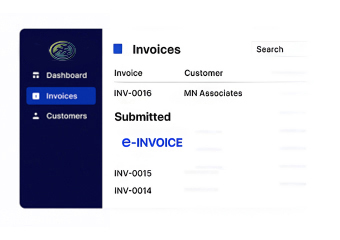
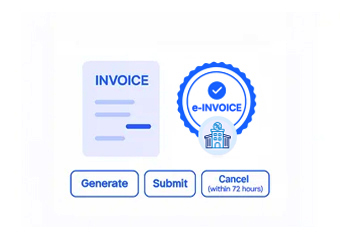
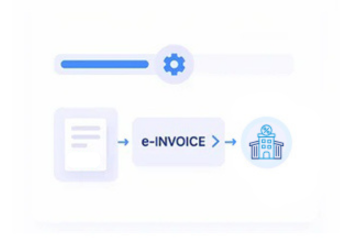
Ready e-Invoice System
Frequently Asked Questions E-Freight ERP E-Invoicing Finland
1. How does E-Freight EFC-ERP help freight forwarders in Finland?
E-Freight EFC-ERP provides a freight-focused ERP environment for managing bookings, transportation activities, shipment documentation, billing, accounting, job tasks, reporting, and related operational processes. Finland freight companies can configure workflows around their forwarding requirements while connecting logistics activities with financial management.
2. What features does E-Freight EFC-ERP provide for logistics companies?
E-Freight EFC-ERP supports key freight management activities including air, ocean, and domestic transportation workflows, booking, bills of lading, job and task management, accounting, banking, general ledger, reporting, statistics, and business intelligence. These capabilities help logistics teams manage operational and financial information within one freight-oriented system.
3. Can E-Freight EFC-ERP support air and ocean freight operations?
Yes. E-Freight EFC-ERP is designed to support multiple transportation modes, including air export, air import, ocean export, ocean import, and domestic shipping. Freight companies can use configured workflows to manage shipment information, bookings, bills of lading, operational tasks, and related financial activities across different transportation processes.
4. Is E-Freight EFC-ERP suitable for freight accounting and financial management?
E-Freight EFC-ERP includes freight-focused accounting capabilities covering accounts receivable, accounts payable, banking, reconciliation, general ledger, balance sheet, profit and loss, and reporting. This allows freight businesses to connect shipment-related financial transactions with broader accounting and management activities.
5. How can E-Freight EFC-ERP improve shipment visibility in Finland?
E-Freight EFC-ERP can support shipment visibility by working with transportation status information, operational milestones, alerts, reporting, and connected data workflows. Its documented automation capabilities include retrieving air shipment and ocean container status information and updating relevant milestone data, helping teams monitor freight activity more efficiently.